Nigeria-Morocco Gas Pipeline Reaches Major Milestone
Historic agreement signed as massive 13-country project advances toward completion
The ambitious Nigeria-Morocco Gas Pipeline project has achieved significant progress with recent Technical and Steering Committee meetings held in Rabat, marking a crucial step forward for the massive infrastructure undertaking.
The meetings, organized by Morocco’s National Office of Hydrocarbons and Mines (ONHYM) on July 10-11, were held to assess the project’s advancement and have resulted in several key breakthroughs.
According to ONHYM’s press release, the project has already reached several critical technical, environmental, and institutional milestones. Detailed engineering studies were completed in 2024, while survey and Environmental and Social Impact Assessment studies for the northern section are finished, with southern Nigeria-Senegal section studies currently underway.
During the Rabat meetings, officials signed a groundbreaking Memorandum of Understanding between Nigeria’s National Petroleum Company Limited (NNPC), Morocco’s ONHYM, and Togo’s National Gas Company (SOTOGAZ). This agreement marks Togo’s official entry into the project and completes the series of partnerships with all countries along the pipeline route.
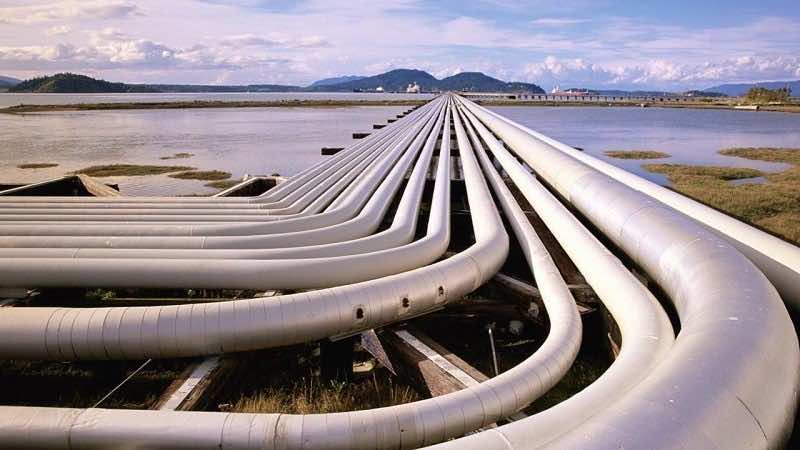
The massive project will span 13 African countries and is designed to transport 30 billion cubic meters per year through phased development. The pipeline will start in Nigeria and run along the Atlantic coast through Benin, Togo, Ghana, Côte d’Ivoire, Liberia, Sierra Leone, Guinea, Guinea-Bissau, Gambia, Senegal, and Mauritania before reaching Morocco, where it will connect to the existing Maghreb-Europe Pipeline and European gas networks.
The project will also supply gas to three landlocked countries: Niger, Burkina Faso, and Mali. The Intergovernmental Agreement specifying the rights and obligations of each country was adopted in December 2024.
This landmark project was initiated by His Majesty King Mohammed VI and Nigerian President Bola Ahmed Tinubu. The Moroccan monarch sees the pipeline as a way to boost African development, improve living conditions across the region, and strengthen economic ties between African nations.
Source: guardian.ng